
Stronger hands, sharper mind, and better health — the science-backed guide you didn’t know you needed.



Why Grip Strength Matters More Than You Think
Most people think grip strength only matters for athletes or bodybuilders — but research has linked weak grip strength with increased risks of type 2 diabetes, reduced mobility, and even cognitive decline. That sounds scary, but here’s the surprise insight: improving your grip is one of the easiest health upgrades you can make. Your hands connect directly to your nervous system, meaning stronger grip often reflects stronger overall muscle health, better aging, and improved daily performance. This article reveals nine powerful exercises that can transform your grip — and possibly your long-term health — with simple movements anyone can start today.


1. Ball Squeeze Exercise — The Simple Start
If you’ve ever felt your hand getting tired opening a jar, this exercise is for you. Hold a soft ball or stress ball in your palm and squeeze slowly for 3–5 seconds before releasing. Repeat 10–15 times.
This move strengthens your “crush grip,” the force used in everyday actions like carrying bags or shaking hands. The best part? You can do it while watching TV or working. The curiosity gap here is simple — something as small as a squeeze can wake up dormant hand muscles and improve circulation faster than expected.


2. Wrist Curls — Build the Forearm Foundation
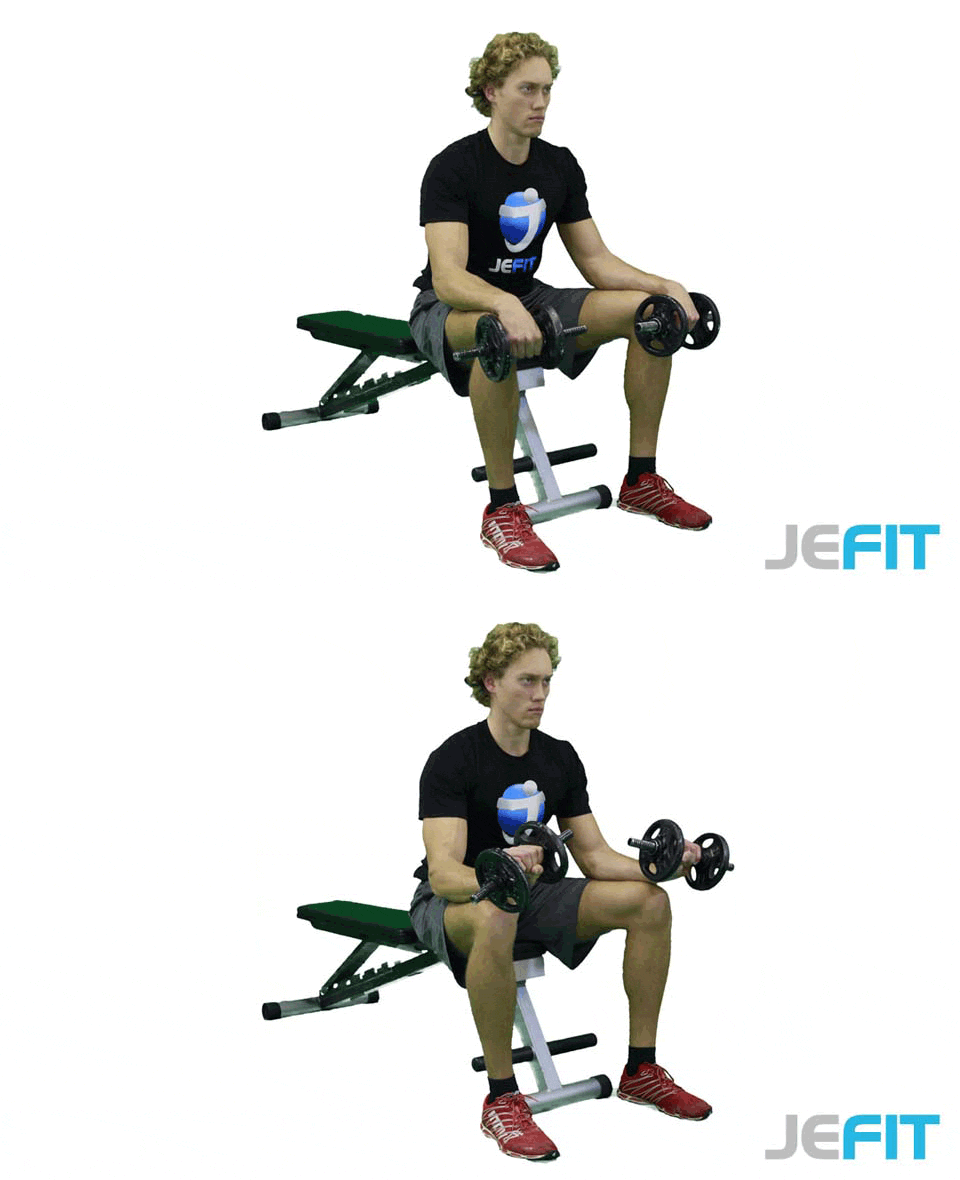
Strong grip starts in the forearms. Sit down, rest your forearms on your thighs, and hold light dumbbells with palms facing up. Curl your wrists upward slowly, then lower them with control.
This exercise improves muscular endurance and stability, helping prevent hand fatigue during work or workouts. Many people skip forearm training, which explains why their grip plateaus — confusion solved: your hands are only as strong as the muscles supporting them.


3. Reverse Wrist Curls — Balance Matters
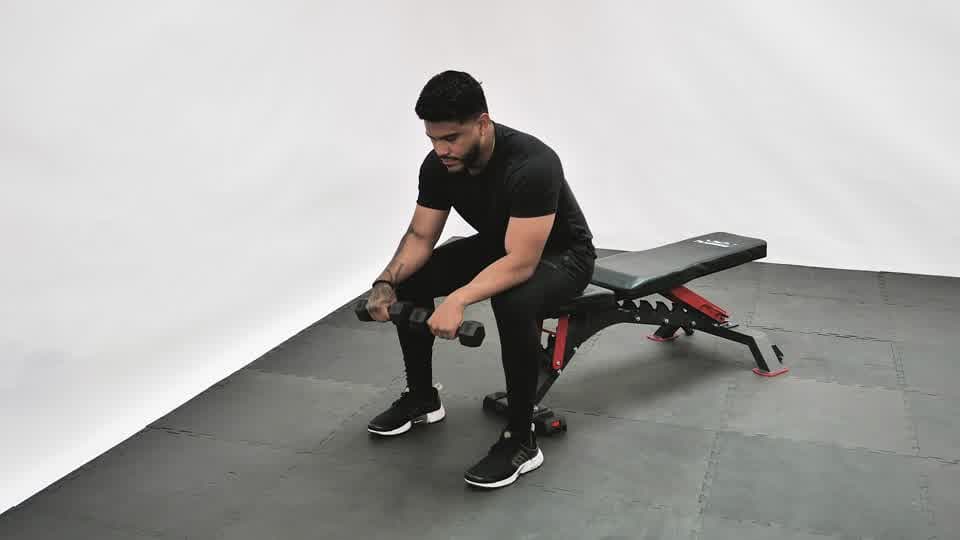
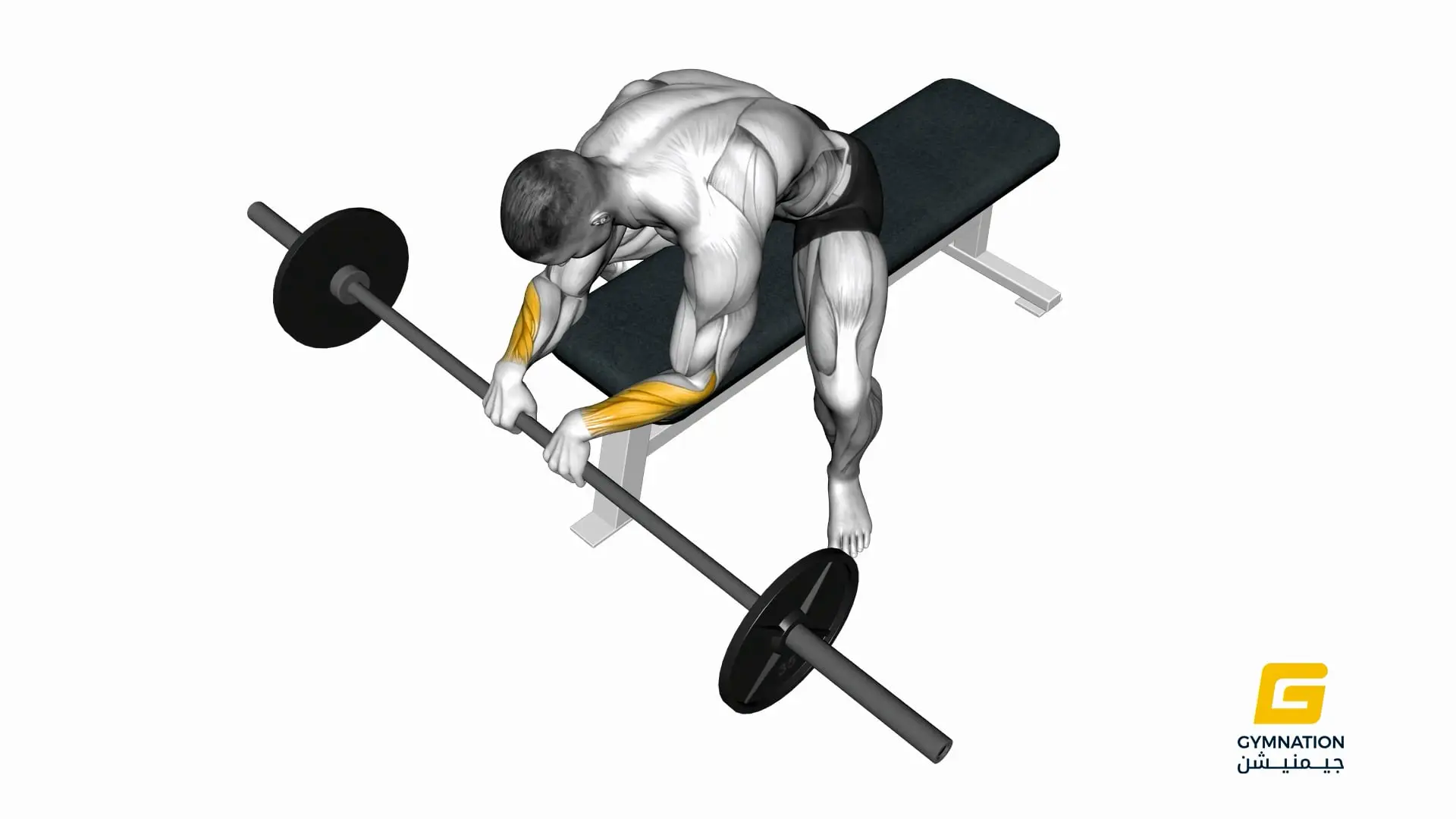
Here’s a surprise: strengthening only the gripping muscles can actually lead to imbalance and pain. Reverse wrist curls target the opposite side of your forearm, improving joint stability and reducing injury risk.
Hold the weights with palms facing down and raise your wrists gently. Perform 2–3 sets of 12 reps. Balanced muscles mean smoother movement — and less chance of discomfort from typing, gaming, or manual work.


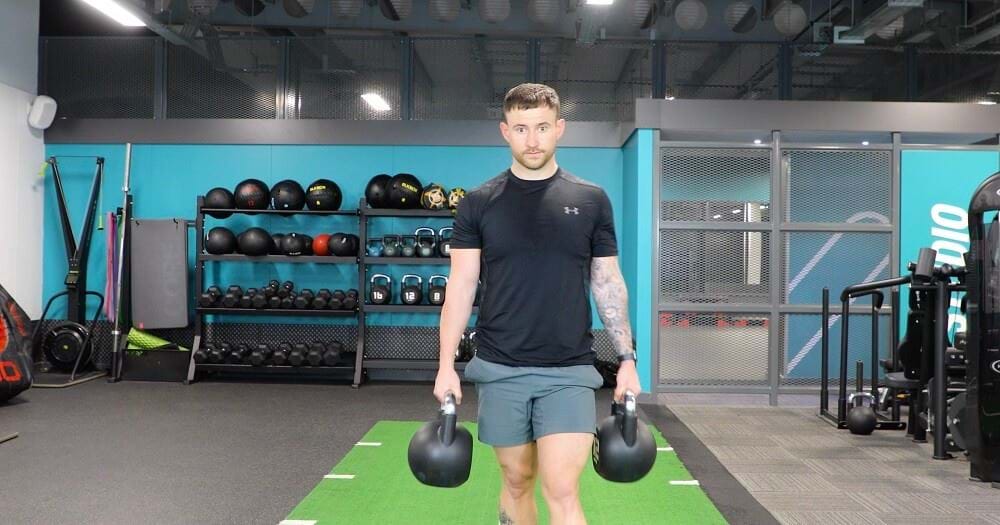
4. Farmer’s Carry — Real-Life Strength Builder
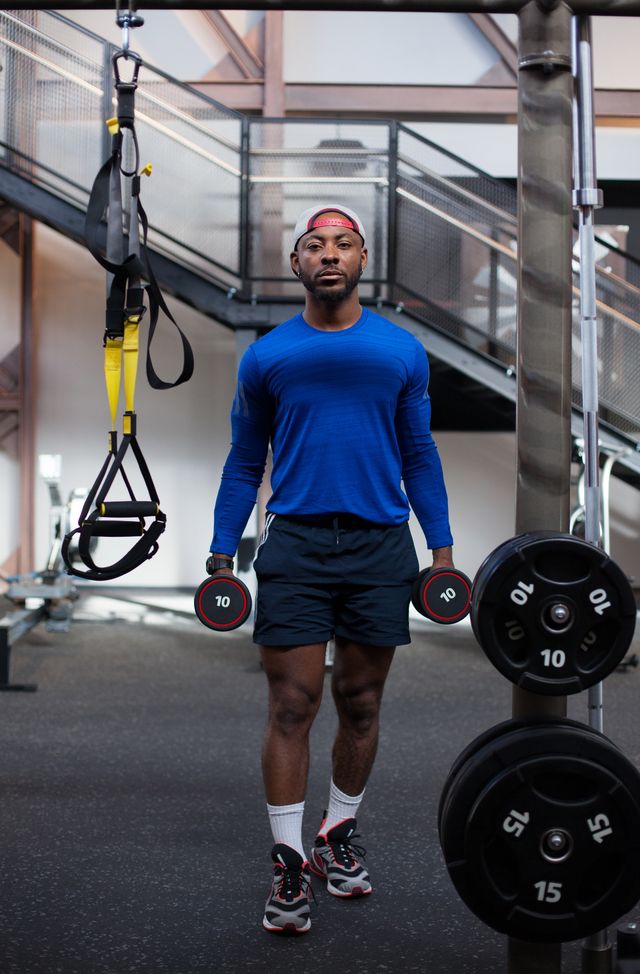
Imagine carrying heavy grocery bags without your fingers burning — that’s the power of the farmer’s carry. Simply hold a heavy weight in each hand, stand tall, and walk slowly for 20–40 seconds.
This exercise trains support grip, posture, and core strength all at once. It’s incredibly effective because it mirrors real-life movement. The fear many people have is dropping weights — start light, focus on posture, and gradually increase.


5. Dead Hang — The Hidden Grip Secret
Hanging from a pull-up bar may look simple, but it’s a powerful neurological exercise. Grab the bar and hang with straight arms for as long as comfortable.
This builds endurance, decompresses the spine, and strengthens hand muscles simultaneously. Beginners can start with 10–15 seconds. The shock for many readers? This single move improves both posture and grip — two benefits for one action.
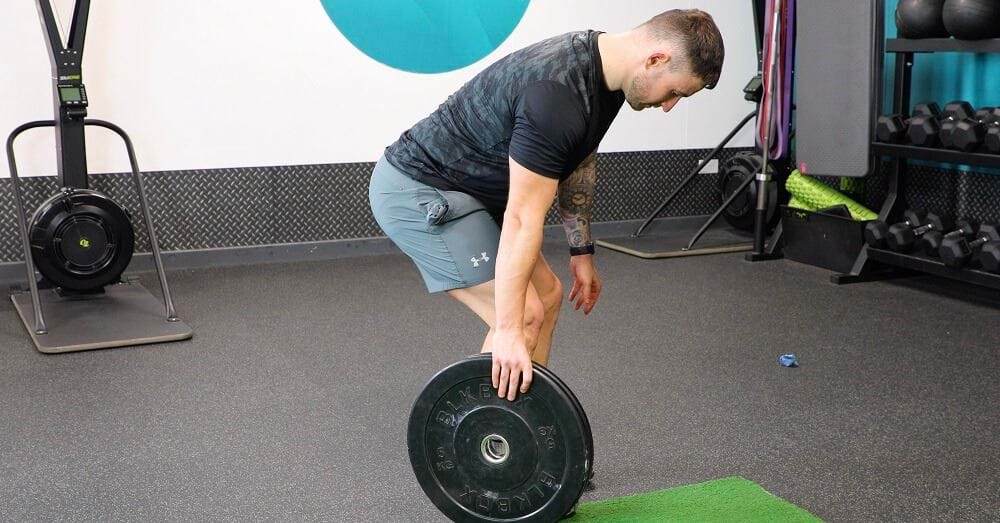



6. Plate Pinches — Train Finger Power
Pick up two flat weight plates and pinch them together using only your fingers and thumb. Hold for 15–30 seconds.
This develops pinch grip, which is crucial for opening containers and improving hand dexterity. Many people overlook finger strength until it starts declining with age — this exercise fights that silently.


7. Towel Wring — Functional Strength Upgrade
Grab a towel and twist it as if squeezing out water. Alternate directions for 30 seconds.
This movement engages multiple tiny muscles in your fingers and wrists that normal gym exercises miss. It feels surprisingly challenging — and that’s exactly why it works. Functional strength often hides in simple movements.


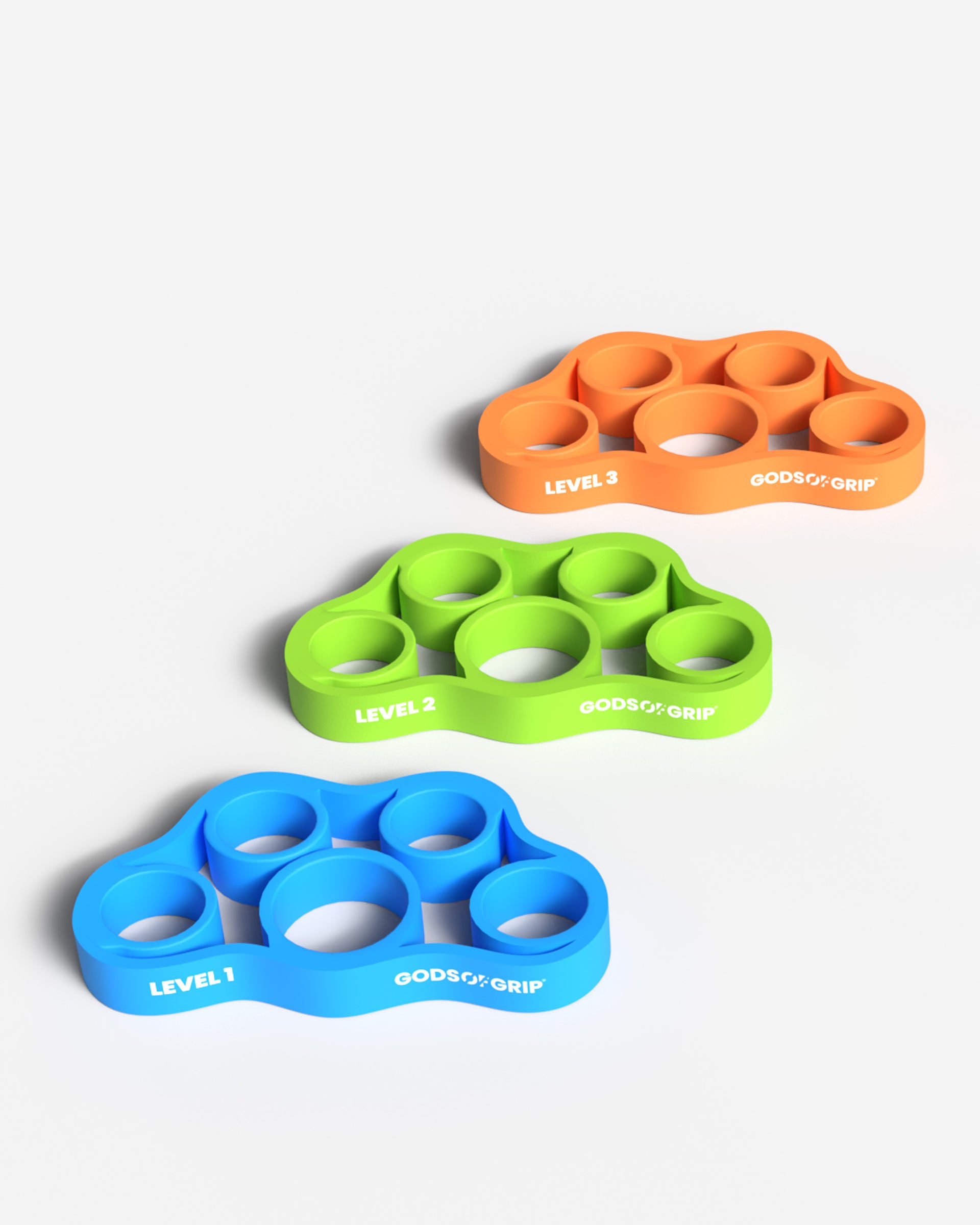
8. Finger Extensions — The Injury Prevention Hero
Place a rubber band around your fingers and slowly spread them apart, then relax. Repeat 12–15 times.
This exercise strengthens your extensor muscles — the ones that open your hand. Most people only train closing strength, which leads to imbalance and stiffness. This movement restores harmony, improves control, and reduces overuse issues.
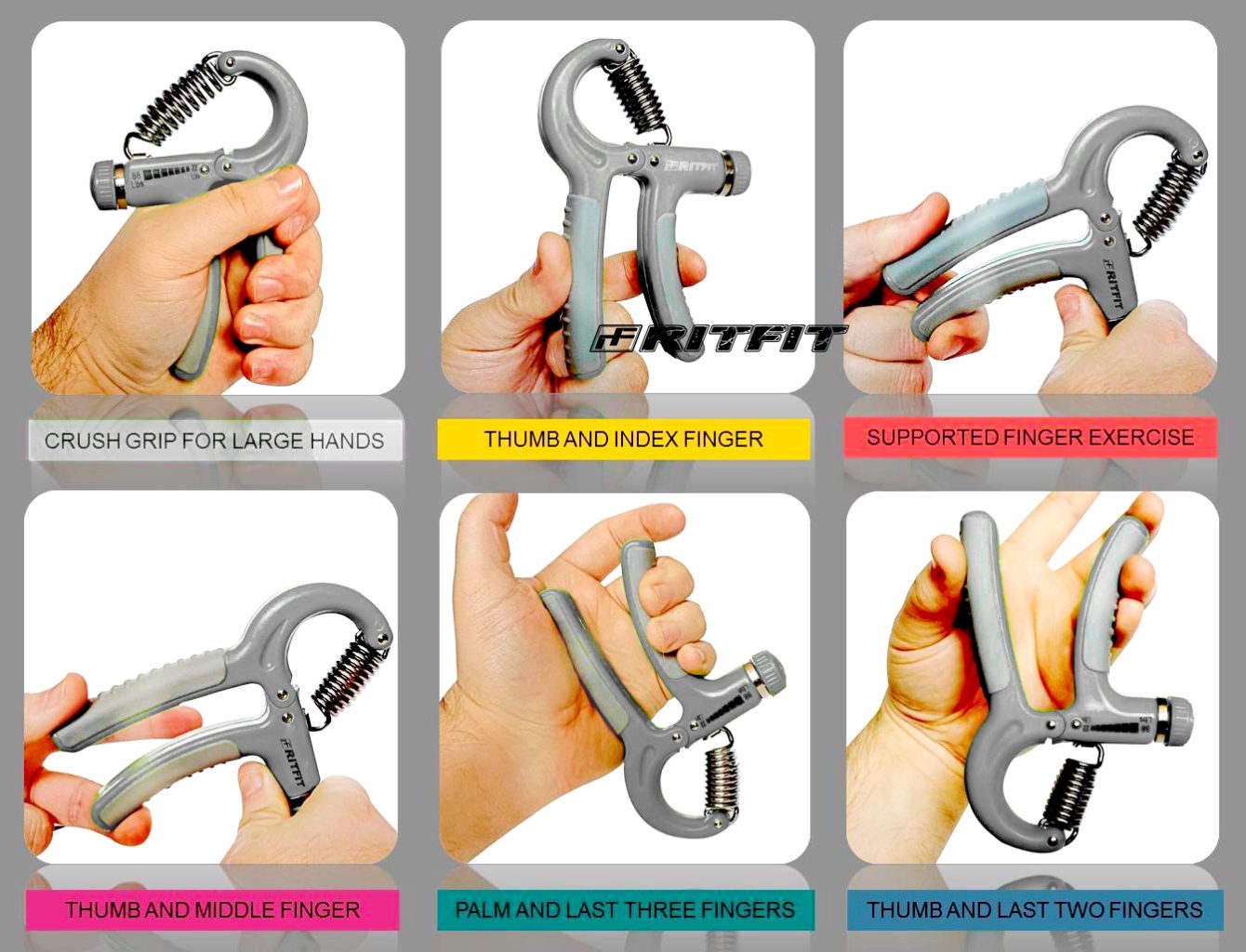


9. Hand Gripper Training — The Classic Finisher
Hand grippers remain one of the most effective tools for building raw grip power. Squeeze slowly, hold briefly, and release with control.
Consistency matters more than intensity here. Doing just a few minutes daily can dramatically improve endurance and hand confidence. The personal relevance is clear — stronger hands make everyday tasks easier and workouts safer.
Strong Hands, Strong Future
Grip strength isn’t just about muscles — it’s a quiet indicator of overall health. Improving it may support healthier aging, better independence, and even sharper mental performance. The good news? You don’t need a fancy gym or hours of training. Start with two or three of these exercises and build gradually.
Your hands are your connection to the world — the stronger they are, the more capable you feel. If you found this guide helpful, share it with someone who needs stronger hands and a healthier future.


0 Comments